

Newsroom
2025 Year in Impact: storytelling that changes lives
2025 was a year of transition and impact. Margot Fahnestock stepped in as President and CEO. Our teams and partners brought research-backed entertainment to millions across Mexico, Zambia, Niger, Liberia, and Nepal. And we captured some of the strongest impact data in our history.
Here are some highlights:
Margot Fahnestock Leads Pmc Forward
Published February 4, 2025

Margot Fahnestock stepped into the role of President and CEO at Population Media Center in February, bringing global health leadership experience from Medicines360, the William and Flora Hewlett Foundation, and her role as a founding architect of the Ouagadougou Partnership. Her leadership comes at a moment when storytelling for sexual and reproductive health and rights has never mattered more — and when the field needs strategic coordination, not just good content.
Real Results From Zambia’s Innovalab Projects
Published May 09, 2025
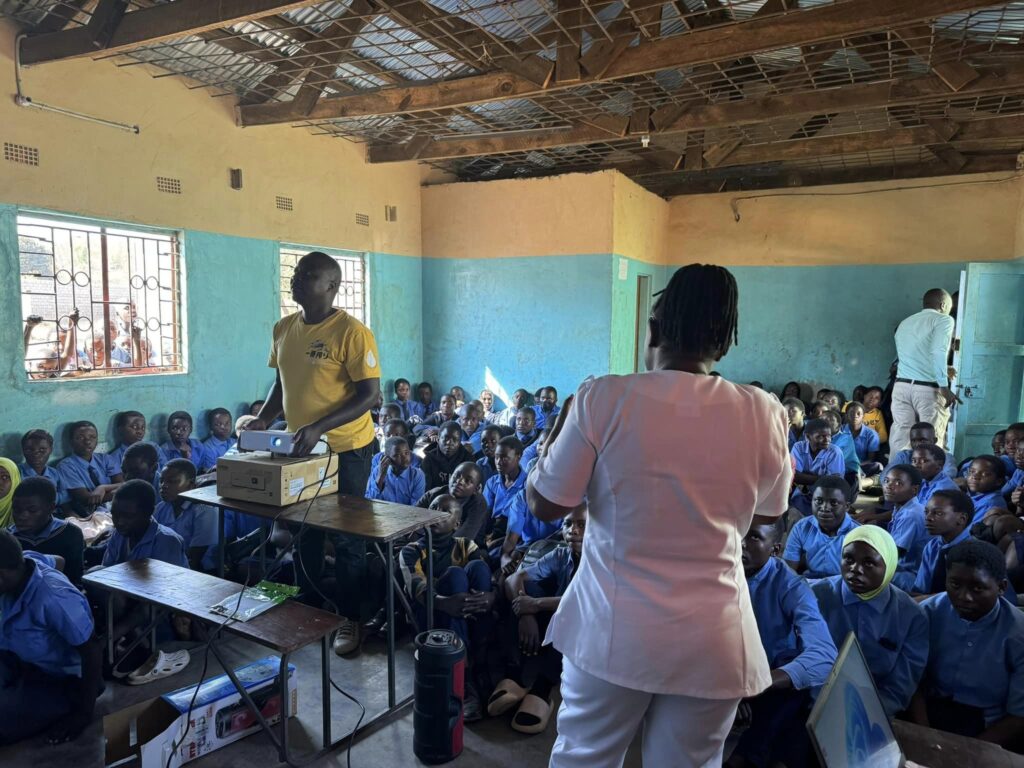
In 2025, as part of our Innovalab projects, PMC-Zambia led storytelling pilots across three provinces.
In Copperbelt Province, where HIV prevalence is among the highest in Zambia, PMC created a live call in radio show called Insaka Ya Bumi (“Community Health Dialogue Forum”). In Southern Province, storytelling took a different form. Kasensa Kabuumi, (“Fountain of Life”), was a four-part radio drama that became a mirror for change. In Eastern Province, where nearly 40 percent of girls experience teenage pregnancy, the challenge required a new medium entirely. Dambo Lathu, (“Our Swamp”), was a comic book brought to life.
By meeting communities where they are and using culturally rooted content, the programs did not just inform. They inspired real conversations and lasting change. PrEP knowledge jumped to 74.9% among students who watched the comic book show — a remarkable 620% increase — and roughly 4 in 5 listeners of the radio show (80.2%) encouraged someone else to get tested for HIV, far higher than the 63% among those not exposed.
A TELENOVELA WITH A PURPOSE
Published September 22, 2025
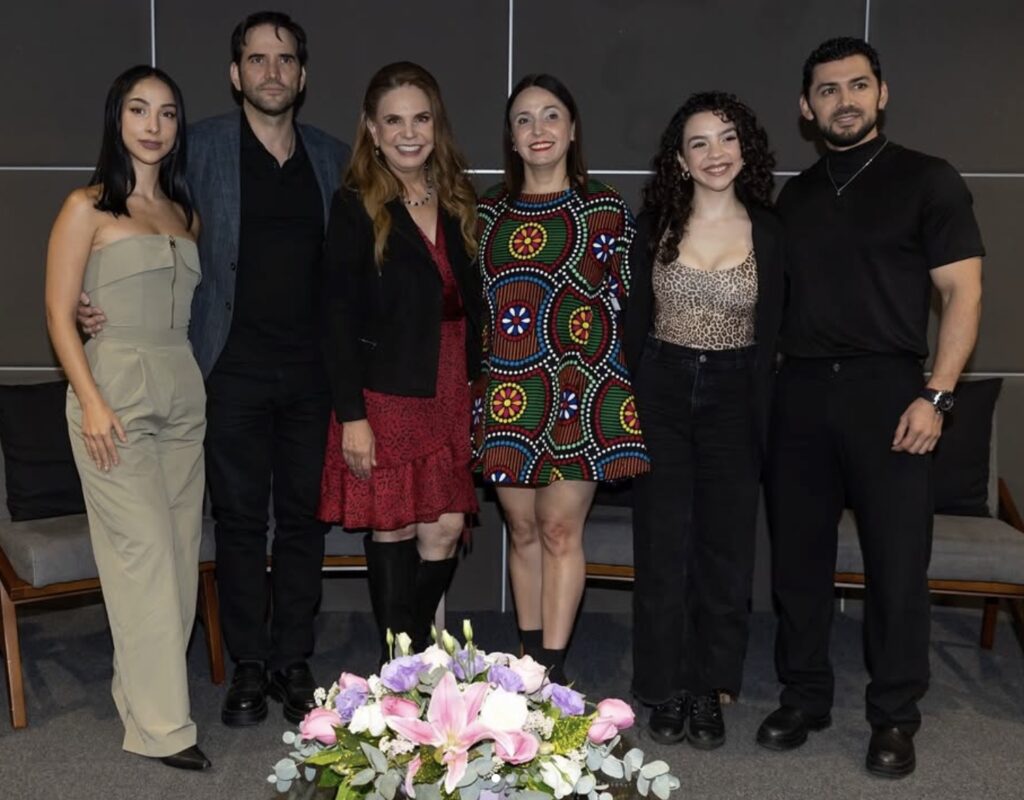
As one of the most-watched telenovelas in Mexico, engaging more than 6 million viewers per night in Mexico City alone, Papás Por Conveniencia (“Family of Convenience”) captivated audiences while shedding light on critical issues like sexual and reproductive health, adolescent pregnancy prevention, sexually transmitted infections (STIs), and sexual and gender-based violence (SGBV).
Broadcast five nights per week in the prime-time slot from October 2024 through 2025 and produced by renowned showrunner, Rosy Ocampo, TelevisaUnivision, and PMC, it was both a commercial success and a catalyst for measurable behavior change.
The impact data: Among mothers of adolescent daughters, there was a 33.5% increase in the likelihood of using dual contraceptive methods. And for Mexican teens, the shift was just as significant: intention to use a condom among adolescent girls rose 21.6%, jumping from 57.9% to 79.5% among frequent viewers. It also became the #1 prime-time show among Hispanic audiences in the U.S. broadcasting on Univision and reaching 9.7 million viewers.
A Closer Look at Papás Por Conveniencia

Beyond the Airwaves: Empowering Communities in Niger
Published March 12, 2025
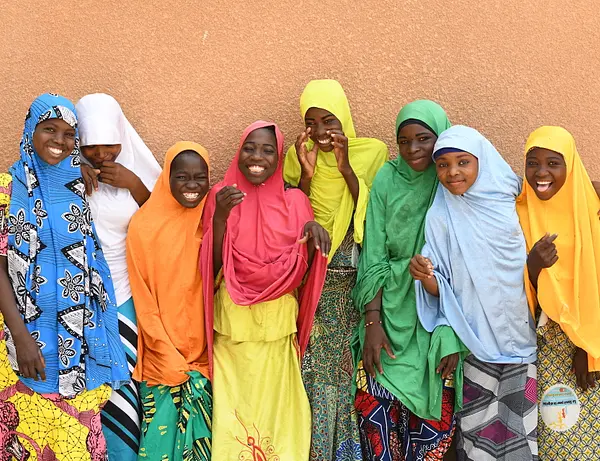
In 2025, PMC released endline data from Dandalin Iyali (“Family Forum”), a 72-episode radio drama addressing youth and adolescent nutrition, education, menstrual health and hygiene, early marriage, and gender-based violence.
Initiated under the leadership of the Ministry of Communication, Posts, and the Digital Economy, Dandalin Iyali, was broadcast on 70 community radio stations nationwide, ensuring it reached people across the country. And it didn’t stop at radio. The series lived on social platforms—TikTok, Instagram, Facebook, YouTube, and WhatsApp—creating real-time engagement and meaningful dialogue with listeners. The program strengthened community accountability — listeners were 64% likely to report cases of gender-based violence to authorities, a significant increase from 50% among non-listeners.
Barnusietehdeh! “Let’s Do the Right Thing” in Liberia
Published in March 07, 2025
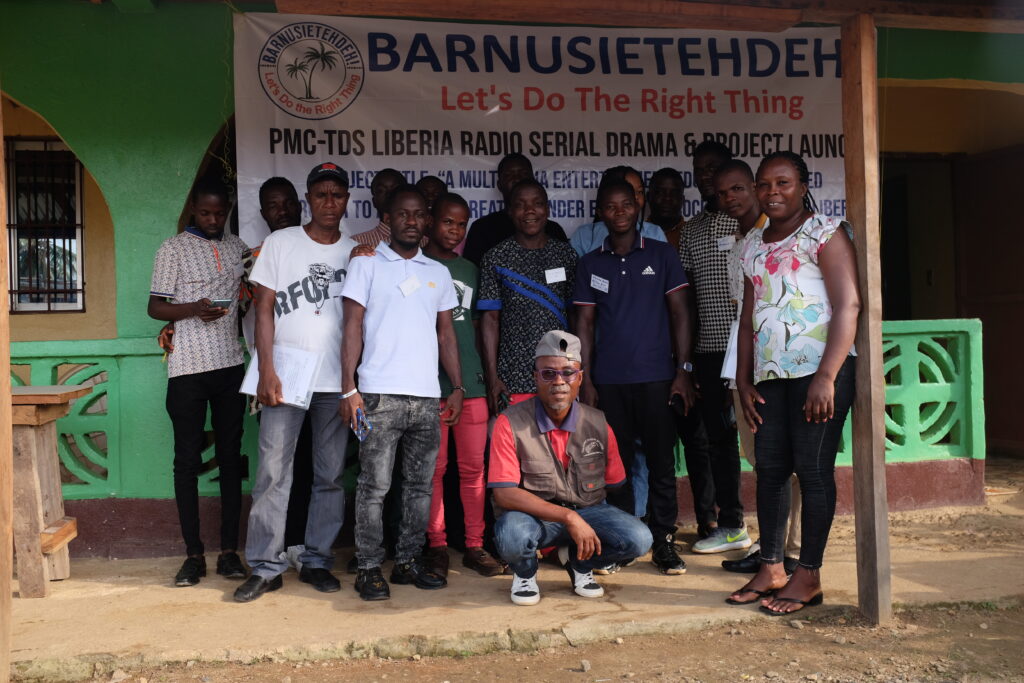
In 2025, we shared the impact from our partnership with Talking Drum Studio (TDS) through Barnusietehdeh!—a 156-episode radio show whose name means “Let’s Do the Right Thing.” With support from the Swedish International Development Agency (SIDA), this multimedia campaign was more than a broadcast.
Across Liberia, the airwaves filled with characters who sounded familiar, faced challenges that hit close to home, and made choices that mirrored real life. The drama followed compelling characters as they navigated love, family, health, and tradition, touching on topics too often left unspoken: gender-based violence, reproductive health, and female genital mutilation. Barnusietehdeh! also proved deeply resonant: 99% of listeners found it entertaining, 96% described it as realistic and believable, and 68% said they shared information from the show with friends and family.
FROM SCRIPTS TO SOCIAL CHANGE: PMC’S BREAKTHROUGHS AT ICFP 2025
Published November 19, 2025
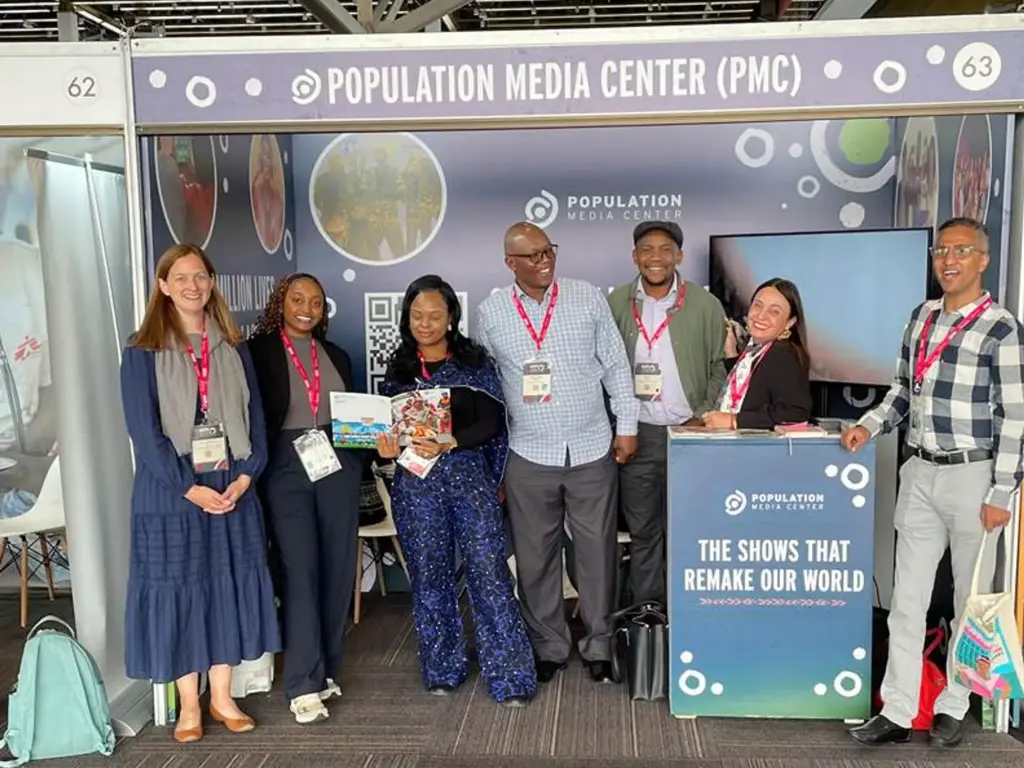
This November, Population Media Center (PMC) presented at the International Conference on Family Planning (ICFP2025), joining thousands of innovators, practitioners, and champions working to advance sexual and reproductive health and rights around the world.
With more than 95% of PMC’s programming focused on family planning, sexual and reproductive health, and gender equity, the conference offered an opportunity to share research findings, present endline results, and connect with partners across the sexual and reproductive health and rights field.


Molded by Stories: Clay Art in Nepal
Published July 15, 2025
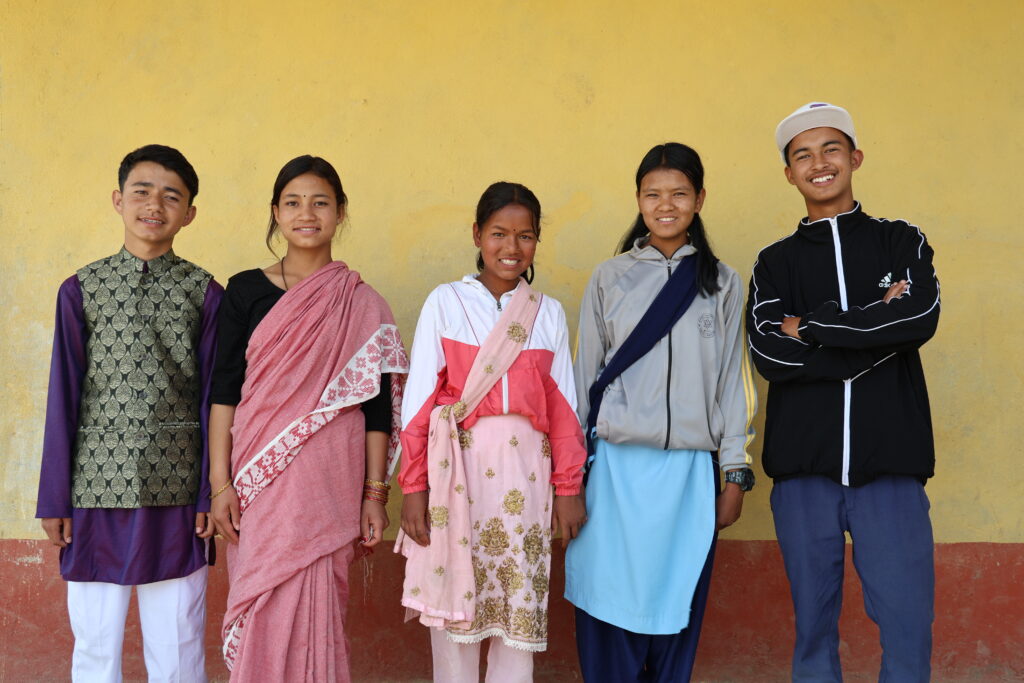
In 2025, across Nepal’s Far West and Karnali provinces, stories once carried over radio waves began resurfacing in new forms, through sculpted clay, community conversations, and shared reflections shaped by memory and lived experience.
For many listeners, Population Media Center Nepal’s rebroadcast of its celebrated radio drama Mai Sari Sunakhari (“Orchid Like Me”) became more than nostalgia. It revived familiar voices and reignited dialogue, imagination, and self-expression. Delivered in Nepali, Mai Sari Sunakhari explored issues that sit at the heart of daily life — child marriage, girls’ education, family planning, reproductive health, gender-based violence, maternal and child health, and women’s entrepreneurship.
The clay art methodology — in which community members sculpt their responses to what they heard — gave PMC a novel evaluation tool while giving participants a tangible way to process and express change.

