Dr. Hailegnaw’s Visionary Leadership as Country Director for PMC-Ethiopia
Thought Leadership


Across Ethiopia, thousands of young women leave home each year seeking opportunity, only to face exploitation, sexual and gender-based violence, and imprisonment along migration routes. Yet their struggles don’t end upon return. Instead, many are met with stigma and rejection from the very communities they hoped would welcome them back. Even though they found their way back home, they are still searching for their voice and their rights.
Population Media Center (PMC), in partnership with UN Women, created “Back Home” —a multilingual radio drama that reveals the dangers of migration while dismantling the deep-rooted stigma surrounding returnee women. Through compelling, vigorously researched and entertaining storytelling, the program sparked critical conversations about compassion, understanding, and the right of all women to live their lives with dignity, founded on their full human rights.

In the town of Deder, Oromia, 32-year-old Biftu dreamed of building a better life. She set her sights on Saudi Arabia, trusting the promises made by local brokers who told her that moving abroad would bring instant success for her and her family. Believing these stories, her family sold their livestock to pay for her trip, hoping the sacrifice would secure her future. Sadly, Biftu’s dream quickly turned into a nightmare. Instead of finding a new life, she faced fear, hunger, and abuse on the dangerous journey.
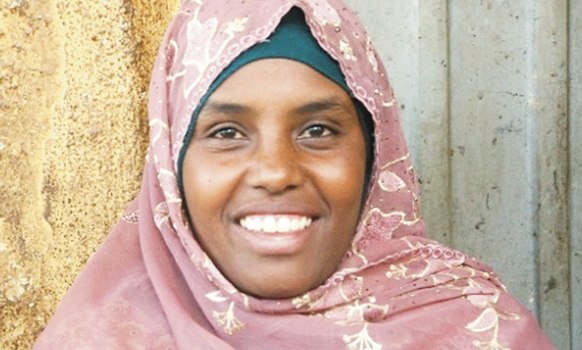
While the radio drama plants the seed, Radio Listener Groups (RLGs) cultivate transformation. These community-focused groups allow women, girls and entire communities to blossom. In these safe spaces, returnees and community members gather to listen and reflect together, creating powerful moments of connection and healing, of community building with women and girls at the front and center.
What emerges is remarkable: women who once felt silenced are finding their voices, starting businesses, and becoming advocates; neighbors who held judgments are now offering support. “Back Home” proves that entertainment-education creates awareness and lays the foundation for genuine community transformation, growth, and connection. This is the power that stories hold—the stories of the women and girls, the stories broadcast over the radios, and the stories of the future, being rewritten as we speak.
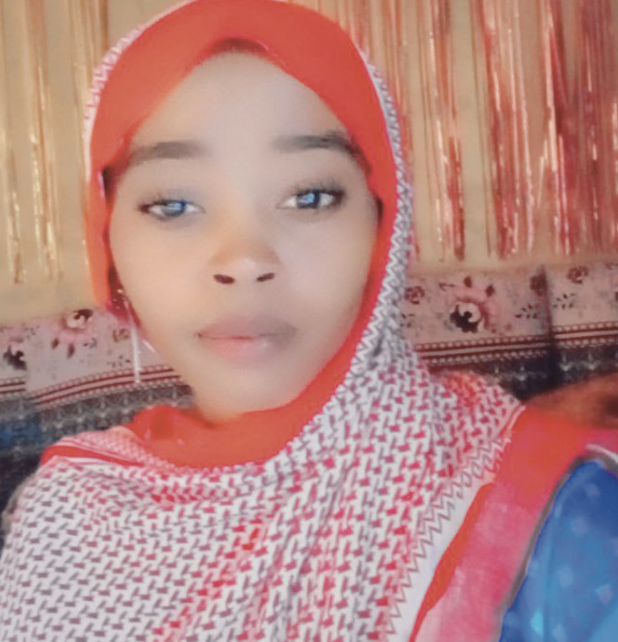
For many women, the program has been a turning point. They have found encouragement, friendship, and self-confidence through discussions. Some have started small businesses, joined community groups, or become advocates who help others avoid the same risks. “Back Home” has helped communities understand that reintegration is not just about returning, it’s about rebuilding lives with dignity.
At the same time, neighbors who once held negative judgments are now stepping forward in support. The program demonstrates that meaningful change is sparked by open conversation. Every woman returning home deserves not rejection, but the full right to be welcomed, accepted, and supported so she can belong and thrive within her community.

In Ethiopia, Population Media Center (PMC) employs powerful media initiatives to promote reproductive health and family planning, sparking conversations and empowering individuals to make informed choices about their reproductive futures. Through culturally resonant storytelling and strategic messaging, PMC’s programs in Ethiopia aim to improve access to reproductive health services and empower women and couples to plan their families for a healthier and more prosperous future.