Entertainment Meets Empowerment: “Papás Por Conveniencia” Launches in the united states
News


As one of the most-watched telenovelas in Mexico, engaging more than 6 million viewers per night in Mexico City alone, Papás Por Conveniencia (“Family of Convenience”) captivated audiences while shedding light on critical issues like sexual and reproductive health, adolescent pregnancy prevention, sexually transmitted infections (STIs), and sexual and gender-based violence (SGBV). Broadcast five nights per week in the prime-time slot from October 2024 through 2025 and produced by renowned showrunner, Rosy Ocampo, TelevisaUnivision, and PMC, it was a commercial success and a powerful movement on critical social issues facing Mexican teens.
Mexico has one of the highest adolescent pregnancy rates in Latin America, with over 11% of girls aged 15-19 experiencing pregnancy, posing significant health and socioeconomic risks. Mexico is also plagued by violence against girls with 72.2% of girls aged 15 to 19 having experienced some form of violence, often from people close to them, such as classmates, brothers, or their own fathers, and 42.5% of adolescent girls having experienced verbal sexual harassment in public spaces. These stark statistics reveal the critical importance of reaching young people and their families—transforming these statistics into agency and action and fostering healthier, safer communities.
Papás Por Conveniencia was designed not only to entertain but to serve as a catalyst for change — integrating complex social issues into a familiar narrative to reach audiences at a deep emotional level and providing clear pathways to move forward. We partnered with Instituto de Investigaciones Sociales SC for rigorous research and partnered with top-tier specialists like UNFPA, MexFam, The Boston Center, and CONAPO to craft authentic, culturally sensitive messages around gender-based violence and family planning rooted in evidence. By combining storytelling with expert insights, behavioral science, and engaging characters, the show was designed to foster awareness, influence attitudes, and inspire actionable change across Mexican communities.
The PMC storyline centers on the Chamorro family, navigating economic hardships fueled by a lack of family planning. Lichita, portrayed by María Chacón, and Chano, portrayed by Miguel Martínez, struggle to maintain their relationship and communicate effectively with their teenage children. Checo and Chofis, the teenagers portrayed by Joaquín Bondoni and María Perroni, grapple with their own questions about sexuality, gender violence, and the complexities of growing up in a society that often silences these conversations.

With over 6 million viewers in Mexico City alone, Papás Por Conveniencia didn’t just entertain — it made a real difference. Mothers of adolescent daughters who were frequent viewers to the show experienced a staggering 33.5% increase in the likelihood of using dual contraceptive methods. Even more impressive, the percentage of 15- to 19-year-olds who watched the show and understood the importance of family conversations about teen pregnancy prevention increased by 17.3%. This is a powerful testament to how deeply engaging storytelling can ignite mindset shifts and drive lasting change across generations because we all know conversation can be the hardest hurdle to overcome – especially teens talking with their families about sexual and reproductive health in conservative settings.
Nearly one in five mothers who watched the show now see condom use as a vital safeguard against STIs, marking a significant breakthrough in health awareness. Meanwhile, the percentage of adolescents who agreed or strongly agreed that condom use is essential to protect women from sexually transmitted infections increased by 17.9%. This shift proves that compelling narratives can challenge misconceptions and inspire real, measurable change in communities—even when it comes to taboo or often ignored topics like STIs and condom use.
And with over 6 million viewers in Mexico City alone, a 12% increase in mothers who believe it’s crucial to discuss gender-based violence within their families translates to hundreds of thousands taking a stand—an extraordinary leap in awareness. When you consider the scale, the significant percentage shifts found across indicators after the show broadcast becomes a monumental step toward ending silence and fostering real change on a national level.
These aren’t just data points pointing to the power of fictional stories. Following Papás Por Conveniencia‘s broadcast, viewers turned to OrientaSex, a confidential hotline run by MexFam, seeking guidance on sexual and reproductive health. Many explicitly credited Papás Por Conveniencia as the reason they reached out—proof that a compelling, relatable narrative can break down barriers and empower individuals to take control of their health. The series’ honest depiction of families like the Chamorros made these issues feel immediate and authentic.
The data also showed that the more often people watched the show—whether adolescent girls or their mothers—the more likely they were to shift their attitudes, intentions, and behaviors. In plain terms, the more you tuned in, the stronger your confidence grew in taking action, and the more your beliefs and behaviors aligned with healthier, more informed choices. It’s a testament to the incredible potential of entertainment with a purpose.
What begins on a TV screen doesn’t stay there — it sparks life-changing conversations within families and communities and new behaviors. Shows like Papás Por Conveniencia can help break the cycle of gender-based violence and adolescent pregnancy with the Chamorros family making these issues feel immediate, authentic, and actionable.
Papás Por Conveniencia strategically extended its impact beyond the screen by incorporating epilogues at the end of each episode, featuring calls to action that addressed the issues portrayed—an approach that deepened engagement and encouraged reflection.
These messages were amplified through social networks, reaching a broader audience and fostering ongoing conversations around critical topics like reproductive health, gender-based violence, and family communication. To support viewers in taking informed steps, the campaign linked directly to MEXFAM’s OrientaSEX hotline—accessible via phone and WhatsApp, staffed by professional counselors in Mexico—transforming awareness into action.
Complementing the promotion of the series, social media platforms became dynamic spaces for connection, with content that included key scene clips, behind-the-scenes footage, and interviews designed to generate excitement while reinforcing the relevance of these vital issues.

The data from focus groups of Papás Por Conveniencia reveal a remarkable success in capturing and sustaining the attention of female audiences through a nuanced blend of melodrama, casting, and socially relevant themes. This strategic balance created a compelling hook that not only enhanced exposure but also fostered deep emotional connections with viewers. The melodramatic elements—full of twists, intrigue, romantic scenes, and humor—were carefully crafted to keep audiences emotionally invested, making the show both entertaining and memorable while subtly embedding critical social messages.
Equally influential was the casting, which played a crucial role in driving viewership and engagement. The inclusion of well-known actors, many of whom had starred in beloved children’s telenovelas years ago, sparked nostalgia and earned instant appeal. The presence of seasoned, highly regarded performers in both protagonist and antagonist roles lent credibility and authenticity to the story, enriching the characters and making their struggles more relatable.
Above all, viewers saw their own realities reflected in the storylines, strengthening their identification with the show’s themes and conveying messages that felt hopeful, helpful, and directly relevant to their everyday lives. The audiences particularly identified with the Chamorro family — with their problems, emotions, and stories.
By vividly portraying issues that resonate deeply with Mexican adolescents and their families, the telenovela created a safe space for reflection and dialogue. Although our focus was on gender-based violence and sexual and reproductive health, particularly adolescent pregnancy and STIs, numerous other issues arose as part of normal, multifaceted issues faced in life—such as family communication gaps, sibling relationships, bullying, teenage pregnancy, contraception, machismo, gender-based violence, sexual harassment, sexual abuse, disability, and women’s empowerment. Across every topic touched-on, the telenovela created a safe space for reflection and dialogue.
These topics, often difficult to address, were made accessible and urgent through characters and stories that viewers could see themselves in. The stories reinforced the message that understanding, empathy, and open conversations are essential for positive change. The value of Papás Por Conveniencia lies in its ability to make the invisible visible.
But conversation is king— or perhaps queen — and Papás Por Conveniencia ignited dialogue around three critical issues that often go unspoken in Mexican families: sexually transmitted infections, adolescent pregnancy, and gender-based violence. If we are being honest, these critical issues often go unspoken in families across the world — not just Mexico.
What made these themes so compelling—and impactful—was their authentic presentation – based on real research with real Mexican families. Despite the seriousness of the issues, the stories resonated because they mirrored real-life experiences and were delivered in an organic, relatable way. Ultimately, Papás Por Conveniencia demonstrated that conversations around health and harm are often the first step toward lasting change—changing perceptions, shifting norms, and empowering families to take action.
The Chamorro family stood at the heart of Papás Por Conveniencia’s impact, embodying a quintessential Mexican household that viewers could see themselves in. Their relatable archetypes and everyday struggles created an emotional bridge, drawing audiences into their world.
Lichita, a hardworking mother who became a parent in her teens, symbolizes resilience and hope for a better future, yet she grapples with deep-seated taboos around sexuality and gender roles. Chano, her husband, epitomizes the traditional provider—macho and emotionally distant—serving as a reflection of rigid gender expectations. Meanwhile, Chofis, the rebellious daughter, and Checo, the impulsive teenage boy seeking independence through risky behavior, highlight the generational and gendered divides that many families experience, offering viewers an unfiltered look at complex dynamics like permissiveness, communication gaps, and emotional denial.
The storytelling power of the Chamorro family extended beyond simple representation; it captured and humanized critical social issues—such as gendered parenting, lack of mother-daughter communication, and emotional barriers—that often hinder healthy family relationships. As the series progressed, viewers witnessed the gradual building of trust and honest dialogue, illustrating the transformative potential of open communication within families.
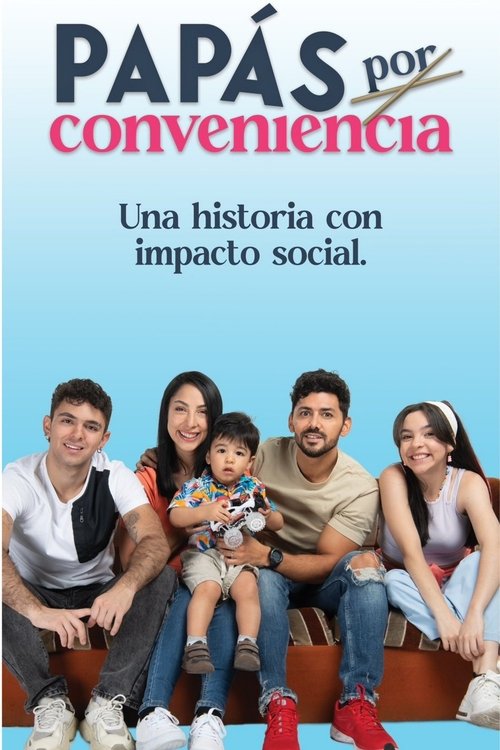
For many adolescent girls, Chofis’ storyline was the entry point into the series—a relatable face that sparked curiosity and compassion, ultimately leading audiences to engage with a richer tapestry of characters like Jenny, Oliver, Circe, Ulises, and Chano, and deepen their understanding of the social issues woven throughout the series.
Our approach uses the time-tested methodology of PMC, which is built on the shoulders of many models and theories, including the proven theories of Albert Bandura’s social learning theory and Social Cognitive Theory. These and other frameworks provide a clear impact roadmap — ensuring that topics were not only integrated seamlessly into the narrative but also conveyed through compelling role models, balanced influences, and relatable scenarios. Whether positive or negative, these influences were designed to change attitudes and behaviors by demonstrating tangible solutions and fostering awareness among the target audience.
We weren’t just creating a telenovela about important issues; we were strategically using entertainment as a powerful, behavior-changing tool that truly resonated — proving that when science meets storytelling, real impact happens.
In Mexico, the shadows cast by sexual and gender-based violence stretch deep, woven into the very fabric of society with significant impacts on the rights of women and girls.. “We have rights as women,” a mother with adolescent daughters shared during a focus group. “We are not alone.” This declaration echoes across generations, a reminder that awareness and acknowledgment are the first steps in transforming silence into action. Such narratives challenge patriarchal norms, illuminate hidden suffering, and pave the way for societal change rooted in justice and respect.
In addition to quantitative evaluation, we also conducted qualitative evaluation to learn – in viewers’ own words – how the show was perceived and how it influenced people’s lives. Focus groups with viewers of the telenovela, both mothers of adolescent girls and adolescent girls themselves, reported facing significant barriers to open conversation and to addressing gender-based violence or discrimination — barriers rooted in fear, misunderstanding, and personal beliefs.
“A large percentage of girls are abused by family members,” one mother confided, her words laced with both pain and concern. Yet daughters—more equipped to define and recognize violence—are increasingly aware of what’s unacceptable. An adolescent girl recounted, “Violence is controlling, making hurtful jokes, threatening, groping, making you feel inferior. If you let it happen once, it can happen again.”
Her words serve as a call to action, emphasizing that understanding is the foundation for prevention. It is through open conversations—like those sparked by Papás Por Conveniencia—that families begin to challenge normalized behaviors, confront uncomfortable truths, and ultimately, take action.
The focus groups repeatedly underscored a universal truth: communication is the foundation, and breaking down barriers is essential for meaningful connection. The series created an opening where families could reflect on the consequences of decisions, fostering empathy and understanding, and paving way to discuss previously taboo or scary topics.
The portrayal of Ulises’s experience with violence, and Chofis’s harassment, offered powerful reflections. “Until you see it happen to someone else, you don’t realize that something is wrong,” a mother reflected.
Discussions about these narratives fostered deeper understanding and encouraged mothers to reflect on their own roles. “It helped me find the right balance in my talks with my daughter, without imposing,” she added, recognizing that change begins within the family. Through dialogue, vigilance, and advocacy, the myths and fears surrounding violence can be dismantled—uncovering the path to healing and justice.
Focus groups showed that in the conversations that began as part of the Papás Por Conveniencia ecosystem, adolescent girls valued their mothers’ guidance, viewing them as trusted sources of advice rooted in care and protection. Mothers also reflected on the importance of opening this dialogue, although they also noted insecurities about their own knowledge. And, interestingly, many teens turned to older sisters, mirroring sibling dynamics portrayed in the show, creating a support system based on shared experiences and understanding.
All of these conversations matter. The predominant theme of the focus groups was the recognition that open conversation is not just beneficial—it’s essential for prevention, protection, and ultimately, for building stronger, more resilient families.
Violence against women and girls often lurks in the shadows of everyday life—hidden behind masks of silence, accepted as part of the scenery, until the discomfort pierces through. But in the flickering light of a screen—whether broadcast, streaming, or on a device—these hidden truths come alive; the noise and visuals demand attention.
Papás Por Conveniencia was not just a commercial success—it was a powerful demonstration of what thoughtful, strategic storytelling can achieve in the realm of social and behavioral change. By integrating relevant social issues into a captivating narrative, the series succeeded in opening hearts and minds, sparking conversations that families often avoid, and inspiring real reflection and action. Its organic integration of sensitive topics like adolescent pregnancy, STIs, and gender-based violence proved that change is possible when messages are delivered in an authentic, relatable way.
The overwhelming response from viewers, particularly our target audience of adolescent girls aged 15-19, has been a clear and compelling request: they want more seasons of Papás Por Conveniencia. These young viewers are not just passive spectators—they are actively engaging with the storylines, yearning for deeper exploration of issues that matter to them, like how characters experience and manage STIs, the treatment processes, and the long-term consequences. This demand signals a powerful shift in how audiences are seeking relatable, educational content that reflects their realities and aspirations.
And this is just the beginning. The momentum generated by Papás Por Conveniencia promises even more— Papás Por Siempre will soon grace screens around the world, continuing this vital conversation and expanding the reach of its impact.
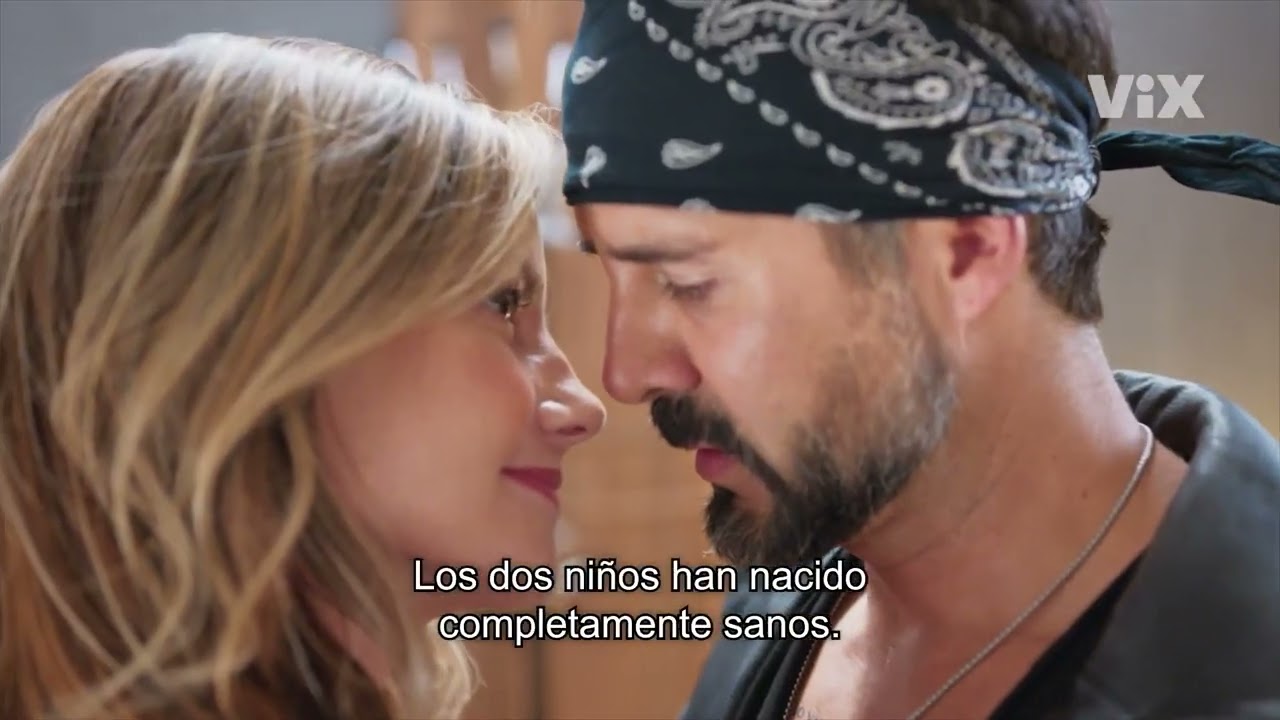
As the characters’ stories unfold, audiences will continue to evolve, learn, and be inspired to rethink the societal norms that shape their lives. The Papás series of shows is a reminder that stories have the power to illuminate, inspire, and challenge us. And many people rise to the challenge, taking new ideas and crafting new stories for themselves and for others.


