Discovering Breakaway in peru: Cultural Treasures, Community Spirit, and BREAKAWAY’s Impact on Pisac Schools
Impact


In the highlands of Peru, something unexpected is changing the game—literally. BREAKAWAY, a bold and immersive video game from Population Media Center, is doing more than entertaining students in Cusco. It’s shifting mindsets, challenging deep-rooted gender norms, and lighting a fire for equity and change. Early results? Let’s just say the impact is turning heads—and opening hearts—at home and in the classroom. In fact, nearly 70% of students who played BREAKAWAY said it made them rethink traditional gender roles.
Gender-based violence and bullying are urgent, global crises—affecting lives, limiting futures, and claiming over 200,000 lives each year. In a region animated by colorful festivals, traditional music, and vibrant communities, the people of Cusco, especially its children, exemplify remarkable resilience and hope amidst challenges faced over centuries. When empowered, children don’t just learn—they lead. And as young people carry these lessons into their homes, friendships, and communities, the ripple effect becomes undeniable. This is how change begins—one student at a time, building toward a more just and inclusive world for all.
Ready, Set, Play. BREAKAWAY is an innovative video game and mobile phone application designed to address violence against women, bullying, and gender equality. Users play as their own football (U.S. soccer) player avatar. The challenge? Decisions players make off the field ultimately determine their performance in football games.
The global movement for gender equity and anti-bullying highlights the vital role of schools and youth as powerful platforms for change. Educational institutions are where young minds can be influenced positively, fostering empathy, respect, and awareness from an early age. Children and adolescents around the world are increasingly working together to promote the rights of women and girls and to create safer, more inclusive communities by standing against bullying and discrimination. This is precisely why we used a specific format—gameplay in schools—to push the boundaries of innovation, and the results speak for themselves.
In Peru, a study found that approximately 40% of students reported experiencing some form of bullying. More alarmingly, about 7 out of 10 children aged 9-11 have experienced some form of violence – physical, psychological or both – either in the family environment or among peers at school underscoring the urgent need for school-based interventions. By empowering children to champion equality and kindness within their own circles, we can cultivate future leaders committed to a more just and compassionate society. By empowering children, we can offer access to the resources and vital information they need when they see bullying, violence and gender inequality in their own classrooms, homes, or communities.
The BREAKAWAY Pilot Program, launched in secondary schools across the Cusco region of Peru in April 2024, is an innovative approach to addressing gender-based violence, bullying, and gender inequality. Developed by Population Media Center (PMC), the video game and mobile application BREAKAWAY uses a soccer-based narrative to engage students in recognizing personal responsibility and promoting behavior change. The program has received strong support from the Regional government and its education authority and has been carefully integrated into the school curriculum. BREAKAWAY is a narrative-based role-playing game where students create a soccer avatar and make choices that impact both their on-field performance and their personal growth. The game is supplemented by in-person group discussions and activities, which help reinforce the lessons learned in the game about gender equity, non-violence, and bullying prevention.
BREAKAWAY was never just an idea—it was the result of rigorous research, strategic planning, and Population Media Center’s proven methodology for knowledge, attitude and behavioral change. Grounded in decades of evidence-based work, BREAKAWAY uses formative research translated into positive and negative role models to shift attitudes and inspire action. In preparation for launching the program in Peru, PMC conducted an in-depth feasibility study to understand the local context surrounding school-based and gender-based violence. This included expert interviews, focus groups with teachers and students, and early testing of the game in Lima, Cañete, and Cusco to ensure the content would resonate and drive meaningful change.
In 2024, the pilot program launched in four secondary schools across the Anta and Calca provinces of the Cusco region—including IE Sagrado Corazón de Jesús, IE Jorge Basadre,IE 50178 Bernardo Tambohuacso and IE Mariscal Ramon Castilla. A total of 464 students aged 12-14 participated, supported by 40 trained teachers and facilitators. Integrated into the schools’ Tutorship and Educational Orientation curriculum, the 12-hour program spanned 8–9 weeks, creating a powerful, research-backed environment for learning, leadership, and transformation—one student at a time.
After rigorous research, the plan was kicked into high gear with one clear goal: Use storytelling to change the hearts and minds of young people throughout Peru.
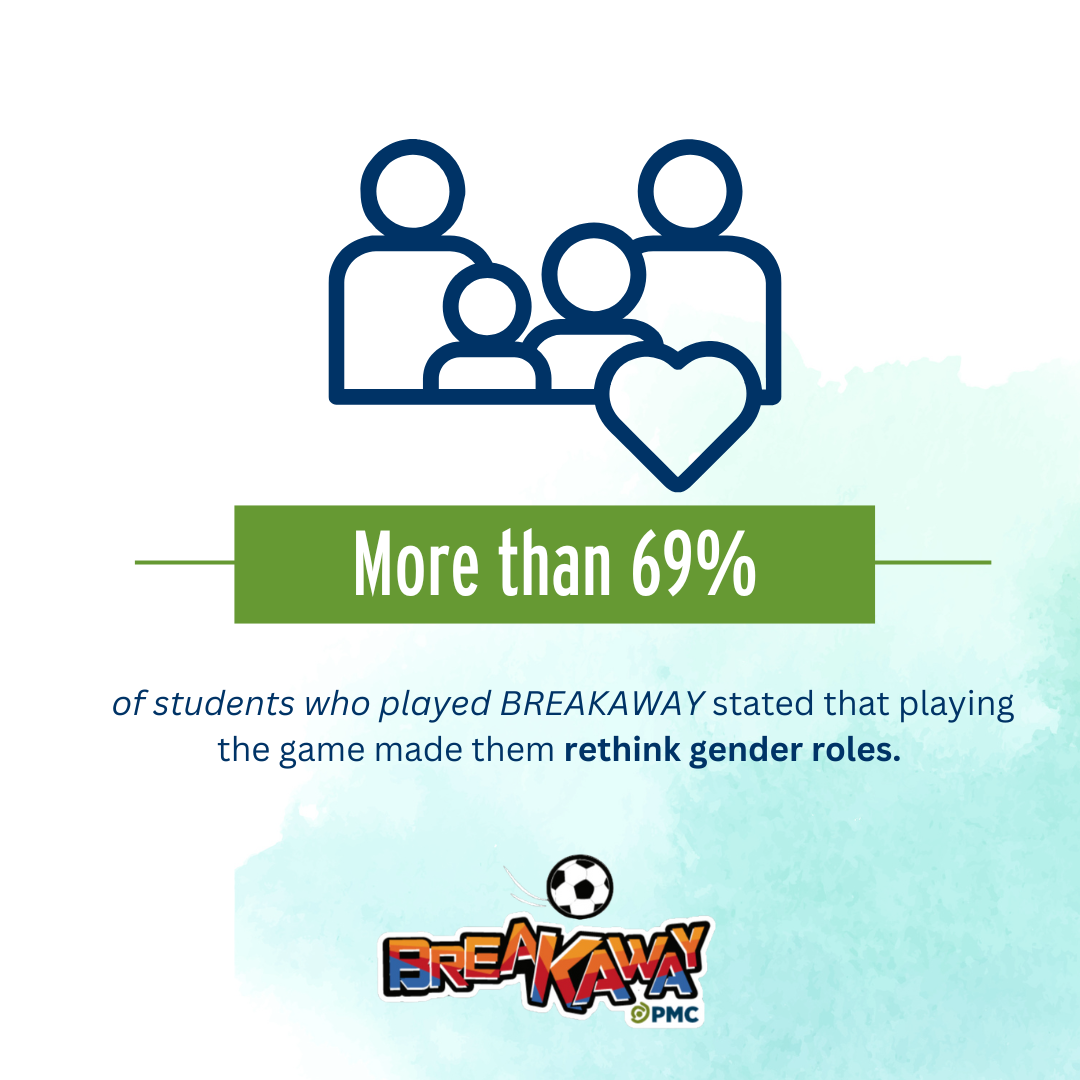
It’s nothing short of powerful: nearly 70% of students who played BREAKAWAY said it made them rethink gender roles, flipping long-held beliefs on their head and kicking the door open to a more just and equal world.
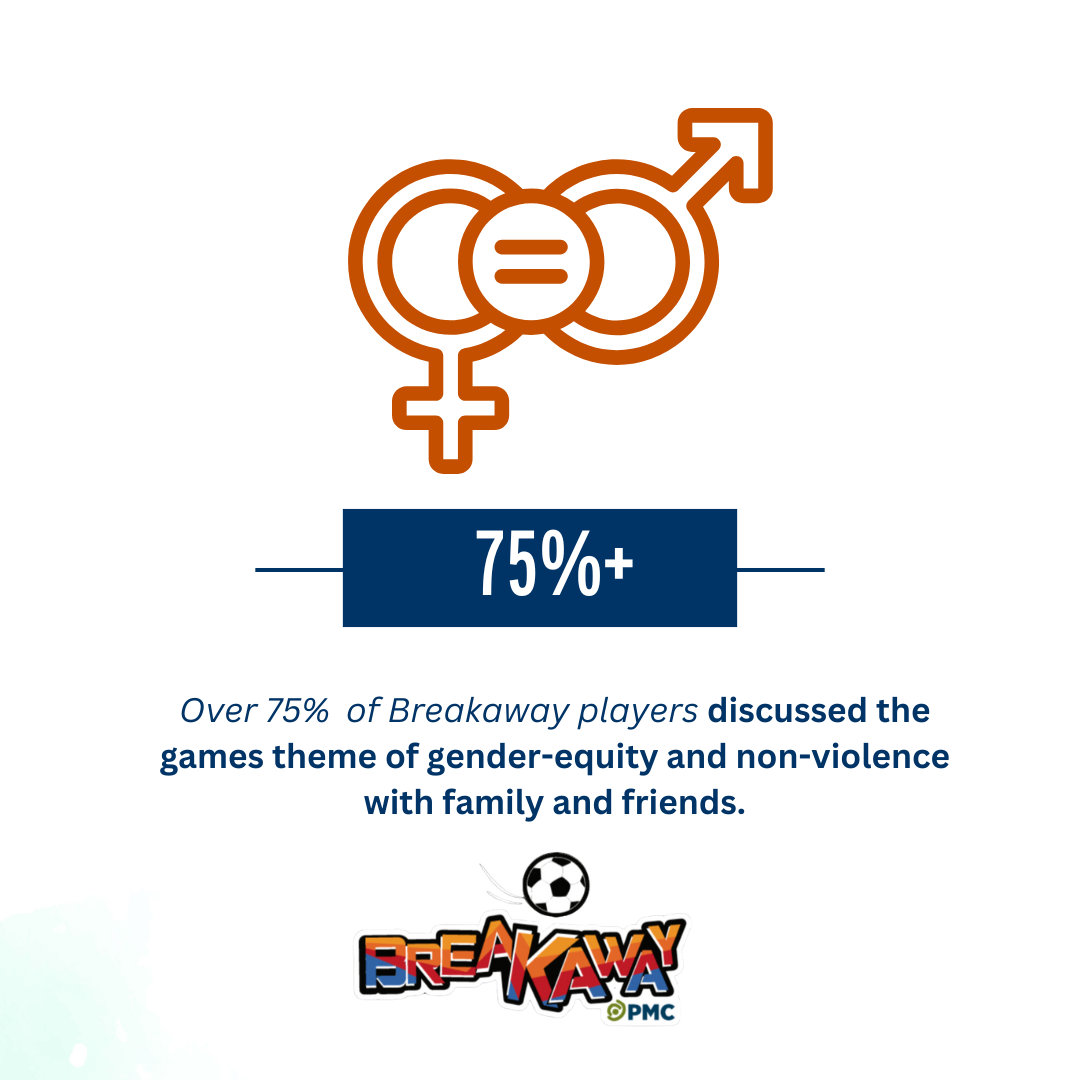
Even more astonishing—over 75% of players took what they learned and carried it home, sparking real conversations with family and friends about gender equality and non-violence.
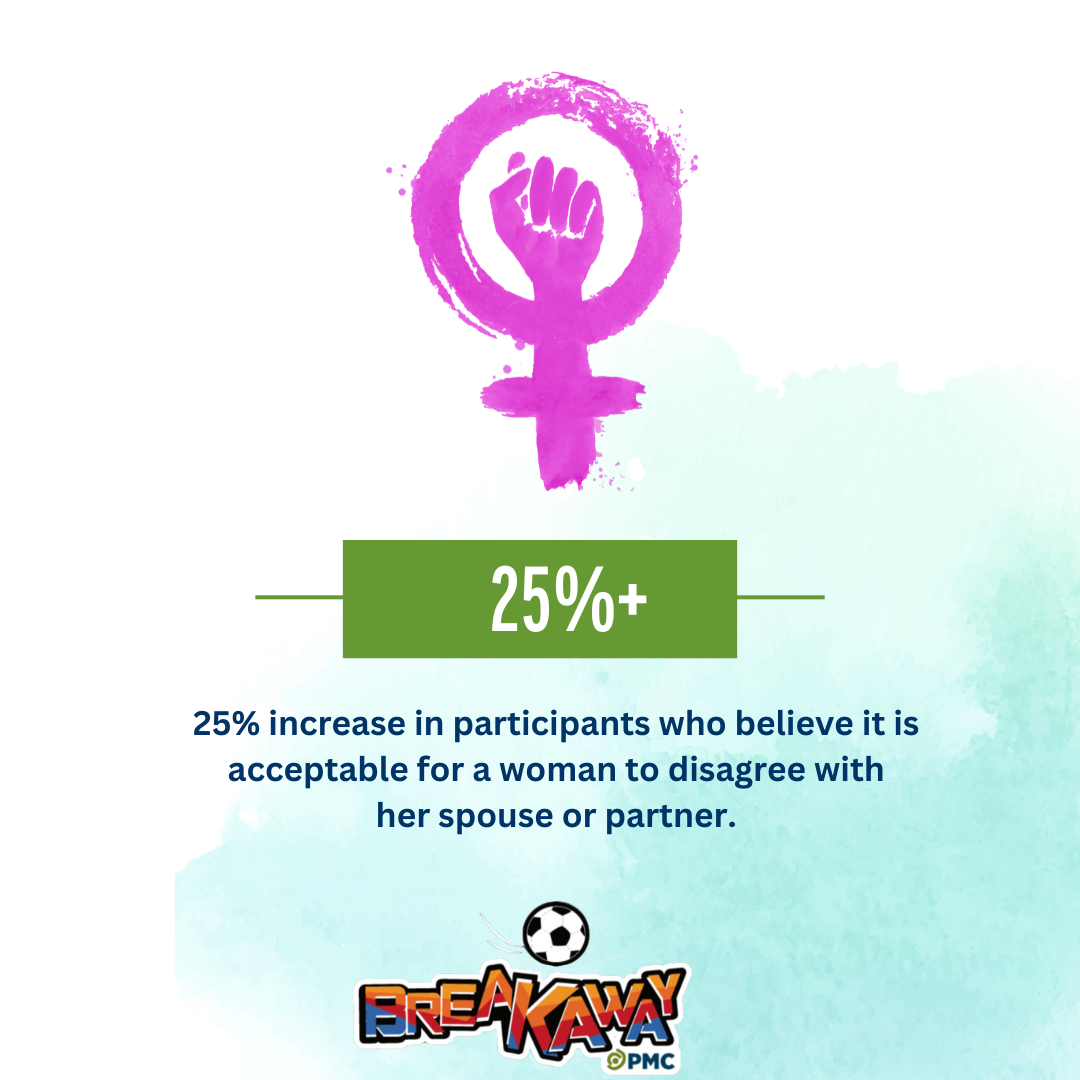
Among participants, there has been a significant 25% increase in those who believe it is acceptable for women to voice disagreement with their partners. People are recognizing and supporting women’s right to speak up. In real terms, communities are shifting toward greater respect and equality, empowering women to be active participants in their own lives and decisions.
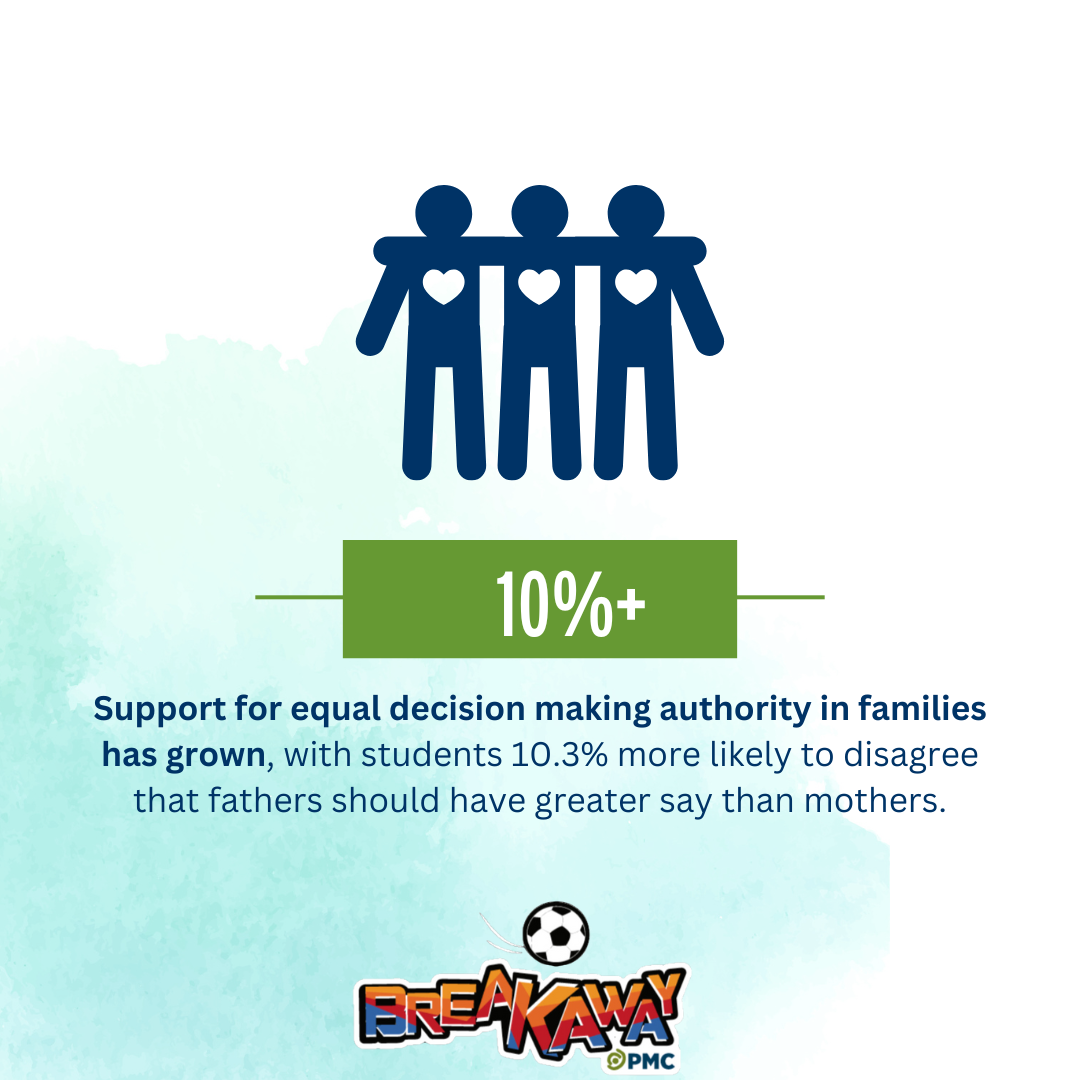
Support for equal decision-making authority in families has surged, with students 10.3% more likely to reject the notion that fathers should have more say than mothers. Supporting equal decision-making and promoting gender equality within families is crucial in challenging patriarchal norms, particularly for children. When children witness balanced roles and fair authority in the home, we contribute to a society rooted in fairness and equality, empowering future generations to reject outdated beliefs and uphold gender equity.
These aren’t just numbers—they’re proof of a movement in motion. Young people are questioning the status quo, challenging discrimination, and becoming catalysts for change in their homes, schools, and communities. BREAKAWAY isn’t just a game—it’s a spark, turning hope into action and planting the seeds of a future where everyone, regardless of gender, can thrive.
Sexism and gender roles aren’t just abstract concepts—they shape how students live, play, and interact every day. During focus group discussions, students opened up about real-life power imbalances at home and in their friendships, especially when it came to boys and girls sharing space on the sports field—a key storyline in BREAKAWAY. Whether it was playing football or volleyball, many students had felt the sting of exclusion and recognized how deeply gender stereotypes influence who gets to lead, who gets heard, and who gets to play.
What stood out most was their clarity: they didn’t just see the problem—they wanted to be part of the solution. Students praised BREAKAWAY for opening their eyes, helping them challenge discrimination in all its forms—not just sexism—and sparking a powerful belief in gender equality as a goal worth fighting for.
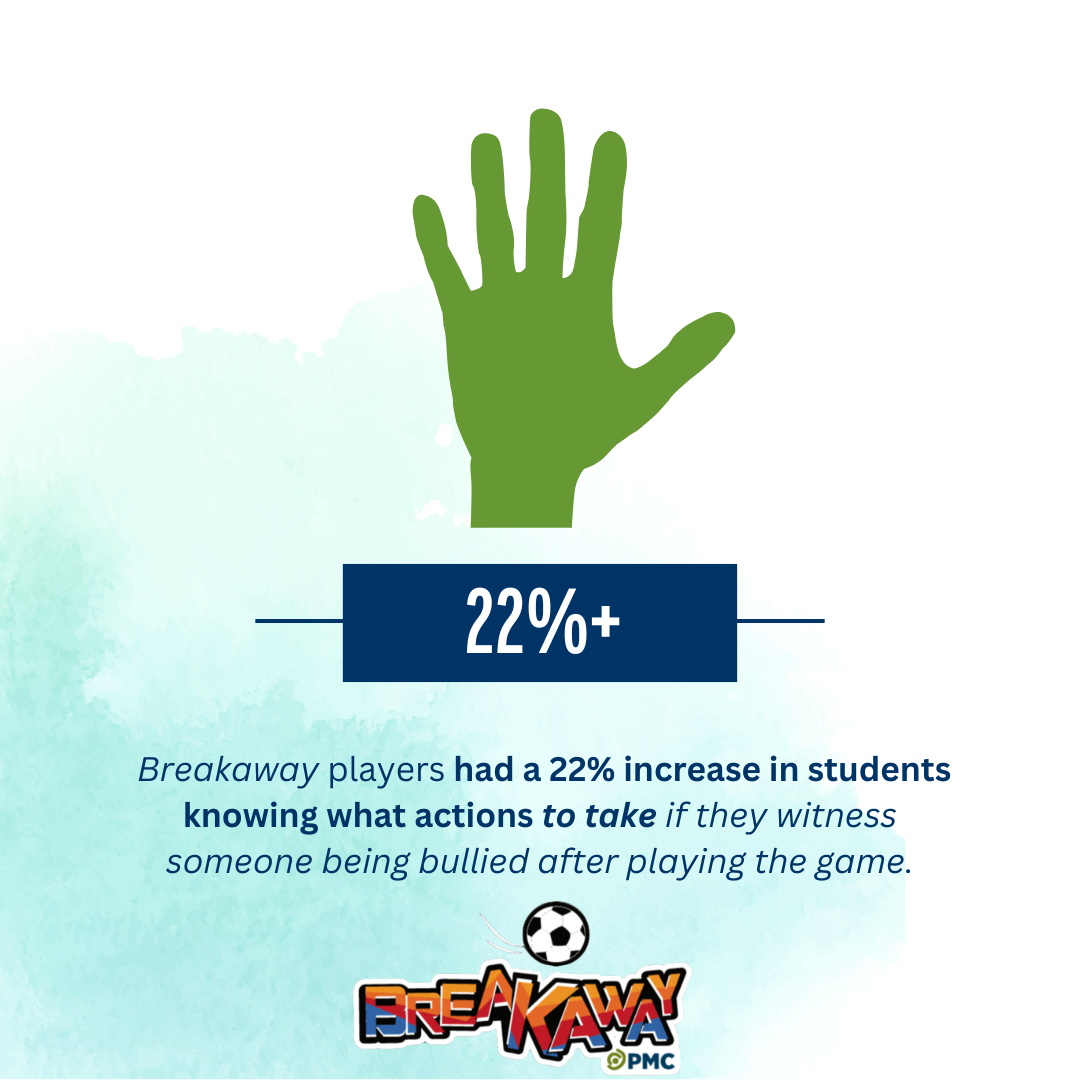
Students reported a 22% increase in knowing what to do if they witness bullying. Across the groups, students touched on emotional factors critical in preventing bullying and sexual harassment, as well as in stopping such behaviors when they occur. After being exposed to the game, discussions with students often began with students saying that they thought the behavior related to bullying in the game was “wrong.”
They expressed and discussed self-esteem and the confidence to stand up for oneself or others—and how it is paramount in the ongoing efforts to dismantle bullying. Trust in peers and adults emerged as a vital factor, especially when discussing the decision to report bullying. Respect was also a significant value as students discussed what was important and should be promoted to them and their their peers.
Without mutual respect, then students understood bullying would persist—and the game encouraged respect among all children, all genders. Students understood the emotional factors and negative emotional consequences as a result of bullying, and vowed to fight it—whenever it occurred.
Ending bullying is paramount in the effort to build a more flourishing, prosperous, and equitable world for all. Bullying—whether physical, emotional, or psychological—undermines self-esteem, silences voices, and reinforces harmful gender norms that hold people back from reaching their full potential. If we are to flip the script on inequality and violence, we must start by creating environments where dignity, respect, and empathy are non-negotiable. That means standing up not only to overt acts of aggression in our homes, schools, and communities but also to the subtle, insidious forms of bullying that chip away at confidence and belonging. In the global fight for gender equity and social justice, recognizing bullying and knowing how to intervene are essential steps toward lasting change.
“Value women. Re-value the things they do. Listen the opinions of all women. Be more respectful of all women. Think before attacking or criticizing a woman. Explain to men that women also have the same rights. Take women’s opinions into account and respect them. Realize that women can also achieve their goals.”

Girls and boys who played BREAKAWAY weren’t just learning—they were living their values out loud. In classrooms and community spaces, they sang, danced, shouted, and participated in bold new conversations about bullying, violence, and gender equity. This wasn’t passive education—it was transformation in real time. BREAKAWAY gave young people the tools to challenge harmful norms, and they responded with courage and creativity, using their voices and their actions to demand something better for themselves and their peers.
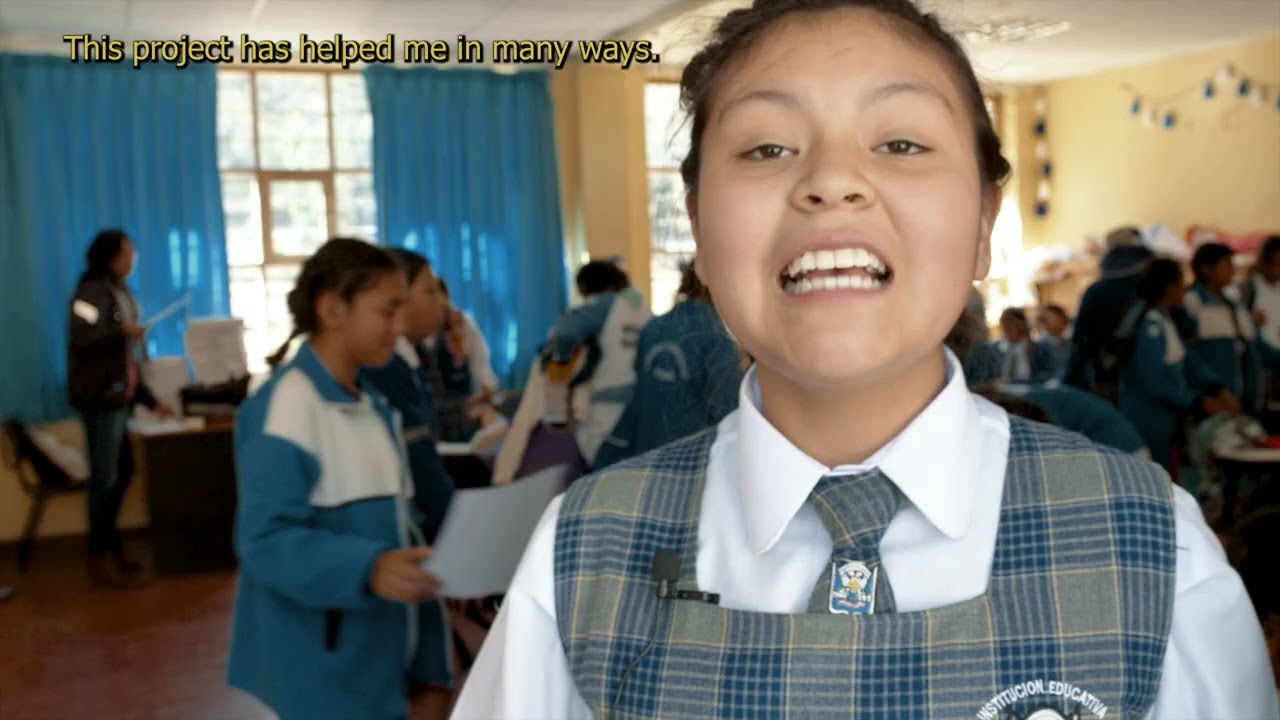
As part of the program, children stepped into leadership roles, guiding conversations about tough but vital topics like the rights of women and girls. They didn’t shy away from these subjects—instead, they embraced them, modeling new behaviors and reshaping what respect, empathy, and equality look like in daily life. As shown in the video above, their power came from being in community with one another, supporting and inspiring each other as agents of change. When empowered, children don’t just learn—they lead. And their influence radiates far beyond the classroom, sowing seeds of equity and compassion wherever they go.


Teachers have reported a noticeable shift in classroom dynamics, as students began rejecting sexist and authoritarian attitudes and embracing empathy, equality, and collaboration. They’ve championed a call for change not just in words, but in action—modeling new behaviors through song, dance, dialogue, and community-building. BREAKAWAY has proven that when young people are empowered with the right tools and support, they don’t just absorb lessons—they radiate them, becoming powerful agents of change who carry a vision of equity far beyond the classroom walls.
This shift in mindset among young people illustrates the immense potential of BREAKAWAY to drive lasting societal change. When students begin to question harmful norms, challenge gender stereotypes, and engage in meaningful conversations about equity and non-violence, the impact extends far beyond the classroom. It lays the foundation for a new generation of leaders who see fairness, empathy, and respect not as ideals, but as everyday actions. BREAKAWAY doesn’t just educate—it activates.
Empowerment through reflection lies at the heart of BREAKAWAY, where students don’t just learn—they internalize and act. Drawing on Albert Bandura’s social learning theory, the program uses relatable role models to spark self-awareness and inspire behavior change. As students reflect on what they see, hear, and experience in the game, they begin to reshape their understanding of power, respect, and gender roles. This reflection becomes a catalyst for empowerment, helping young people recognize their own agency and the impact they can have in challenging injustice and promoting equality.
Because of BREAKAWAY, and the powerful role models and storylines woven into the game, children are now better equipped to recognize bullying, stop it, and take the right steps when they witness or experience it. The game doesn’t just spark awareness—it builds the confidence and skills needed to take action. This is the power of storytelling in action: it doesn’t just make you think, it transforms how you behave. By guiding players through relatable challenges and modeling positive responses to injustice, discrimination, and even violence, BREAKAWAY teaches young people how to stand up, speak out, and be allies for change in their schools and communities.
These testimonials highlight the profound impact BREAKAWAY has on young minds, fostering a culture of respect and understanding. It proves a video game with compelling stories, relatable role models and in-depth research has the power to inspire new beliefs, and have students believing they know precisely what to do when they experience inequity, bullying and gender based violence.
BREAKAWAY is doing more than transforming student attitudes toward gender equity — it’s also reshaping the way teachers engage with their students. Through targeted training sessions, educators aren’t just handed a digital tool; they’re empowered with strategies to foster critical conversations about identity, violence, and equality. Many teachers reported feeling not only better equipped to navigate challenging classroom dynamics, but also inspired by the program’s approach to meaningful reflection and dialogue. It’s clear this program doesn’t just deliver content — it builds capacity. BREAKAWAY turns classrooms into catalysts for social change, with teachers at the helm.
But the journey isn’t without its challenges. The field team worked tirelessly to ensure that training met rigorous standards and adapted to the daily realities of rural schools, often navigating logistical hurdles and systemic constraints. Yet this commitment to inclusion — working hand-in-hand with teachers, administrators, and local stakeholders — made all the difference. For funders seeking to support international teacher development, BREAKAWAY offers a blueprint that goes beyond tech access. It uplifts educators as changemakers, equipping them to lead bold, values-driven education within their communities.


Gender-based violence and bullying are urgent, global crises—affecting lives, limiting futures, and claiming over 200,000 lives each year. In Peru, these challenges deeply impact students’ safety, confidence, and ability to learn. BREAKAWAY is changing that. Rooted in powerful storytelling and backed by research, this innovative video game is empowering young people to recognize bullying, stand up to injustice, and promote gender equity in their schools and communities.
Our pilot program in Cusco has already shown incredible promise—and now, we’re ready to grow. By training local educators and leveraging tablets distributed during the pandemic, BREAKAWAY is both cost-effective and highly scalable. But to reach more schools, more communities, and more young people in Peru and around the world, we need your support. Help us bring this life-changing program to the students who need it most. Together, we can build a future where equity, respect, and non-violence aren’t just lessons—they’re lived every day. Join us. The time is now.


